Restauración Geomorfológica Group

Landscaping since 1995
Geomorphic wisdom

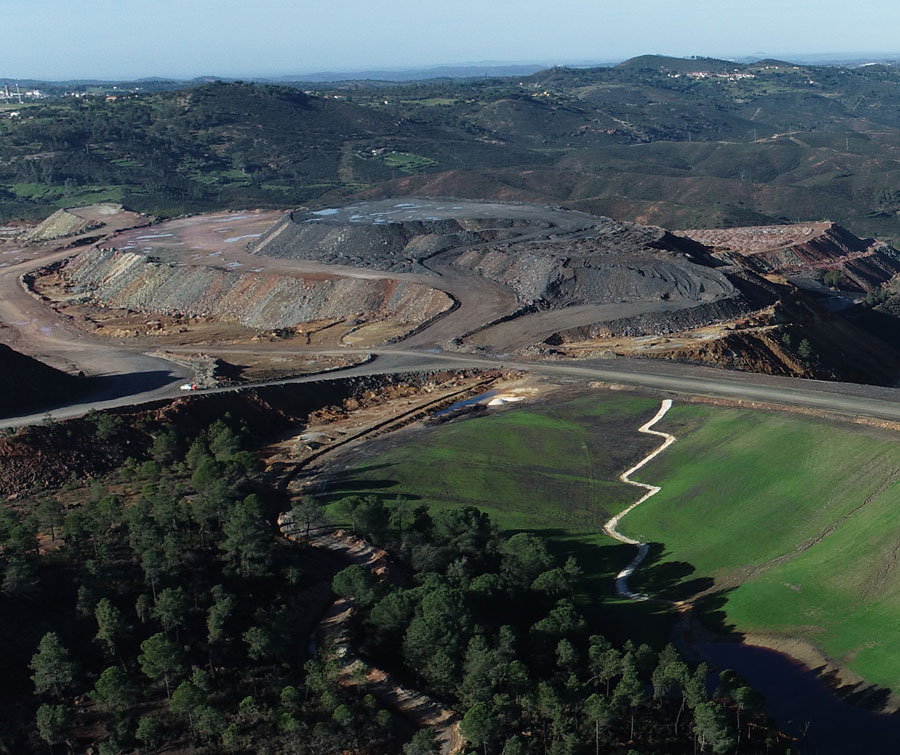
Upper central, waste rock dump (WRD) without rehabilitation. Lower right quadrant, with green colors and meandering channel, geomorphic rehabilitation of a similar WRD. Riotinto Mine (Huelva, Spain). Photo by: Atalaya Mining.

Geomorphic solutions

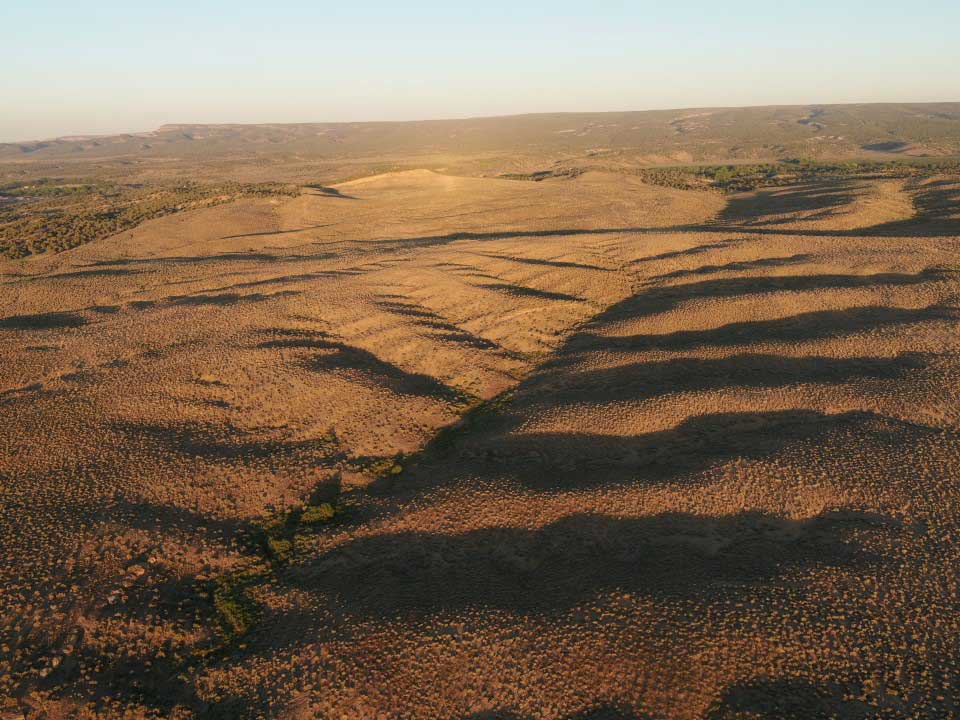
La Plata Mine, New Mexico, USA, where Nicholas Bugosh created the GeoFluv method. Photo by: VAST-Restauración Geomorfológica

We are not satisfied with just studying landforms and landscapes. We design and build them

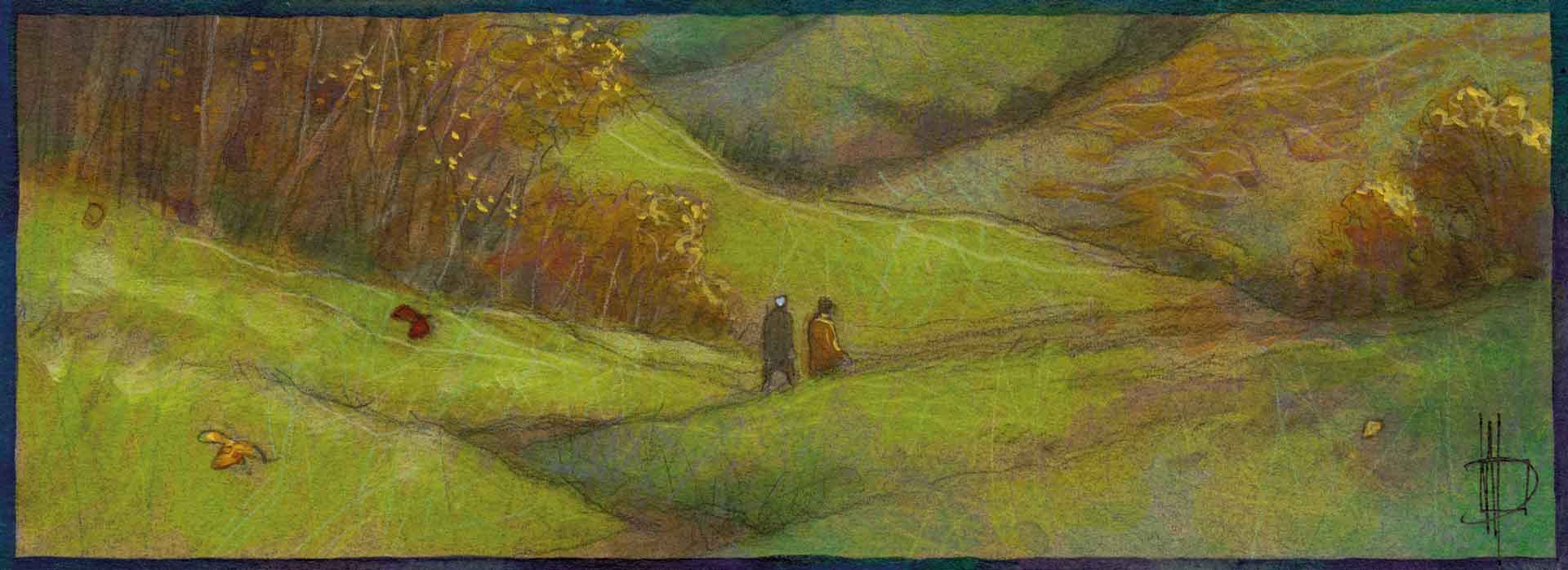
Illustration of Ardalén.Photo by: Miguelanxo Prado©

We convert today's landfills and waste dumps into tomorrow's landscapes

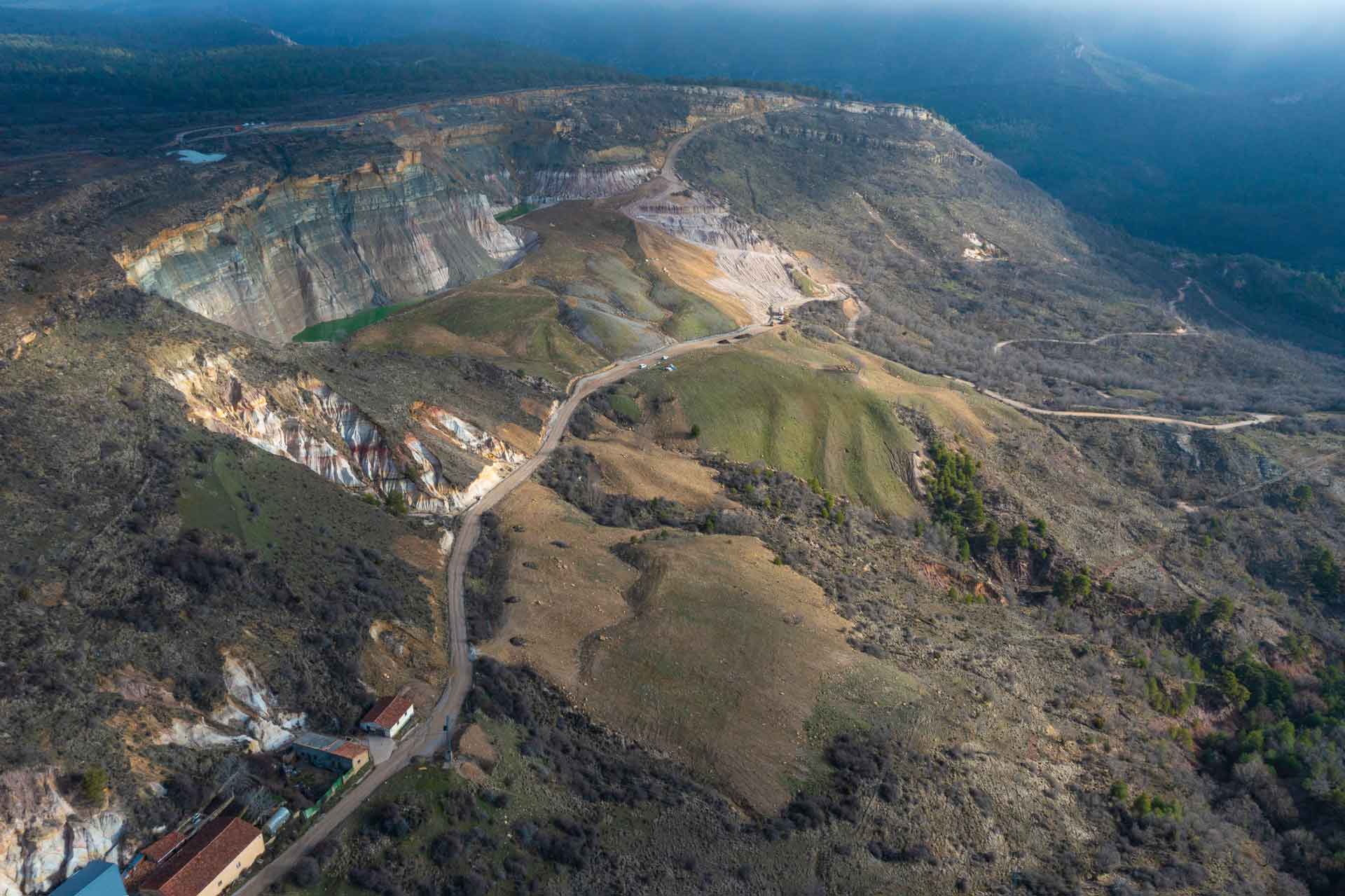
LIFE RIBERMINE Project (Peñalén, Guadalajara).Photo by: Miguel Ángel Langa – Fotolanga.es

Landscapes Factory

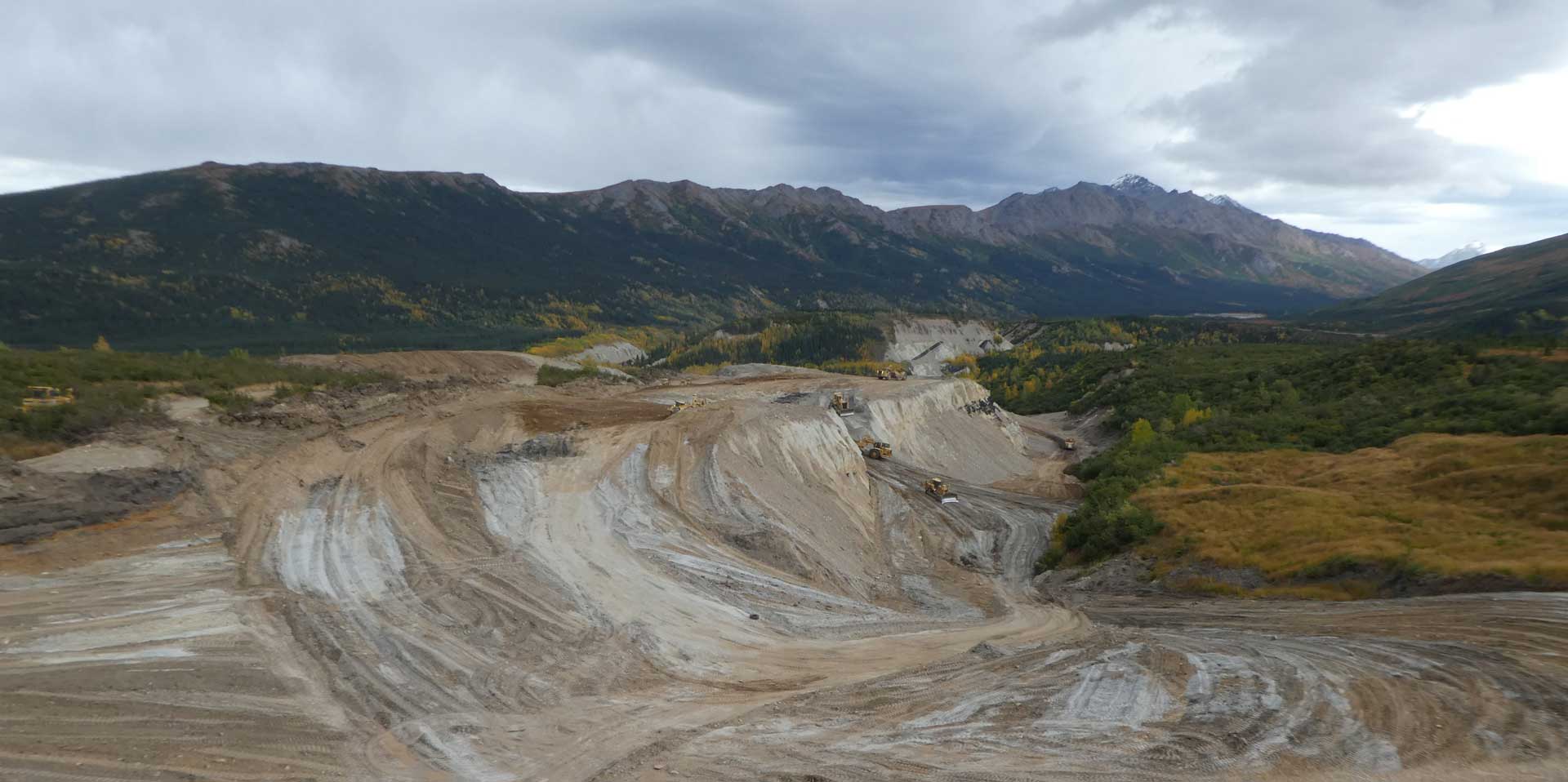
Construction of geomorphic rehabilitations in Alaska.Photo by: Restauración Geomorfológica

Design Geomorphology

The Navajo mine in New Mexico, USA, is adopting a geomorphological restoration approach to the rehabilitation and closure of its entire transformed site area.Photo by: Restauración Geomorfológica

We design hills and valleys

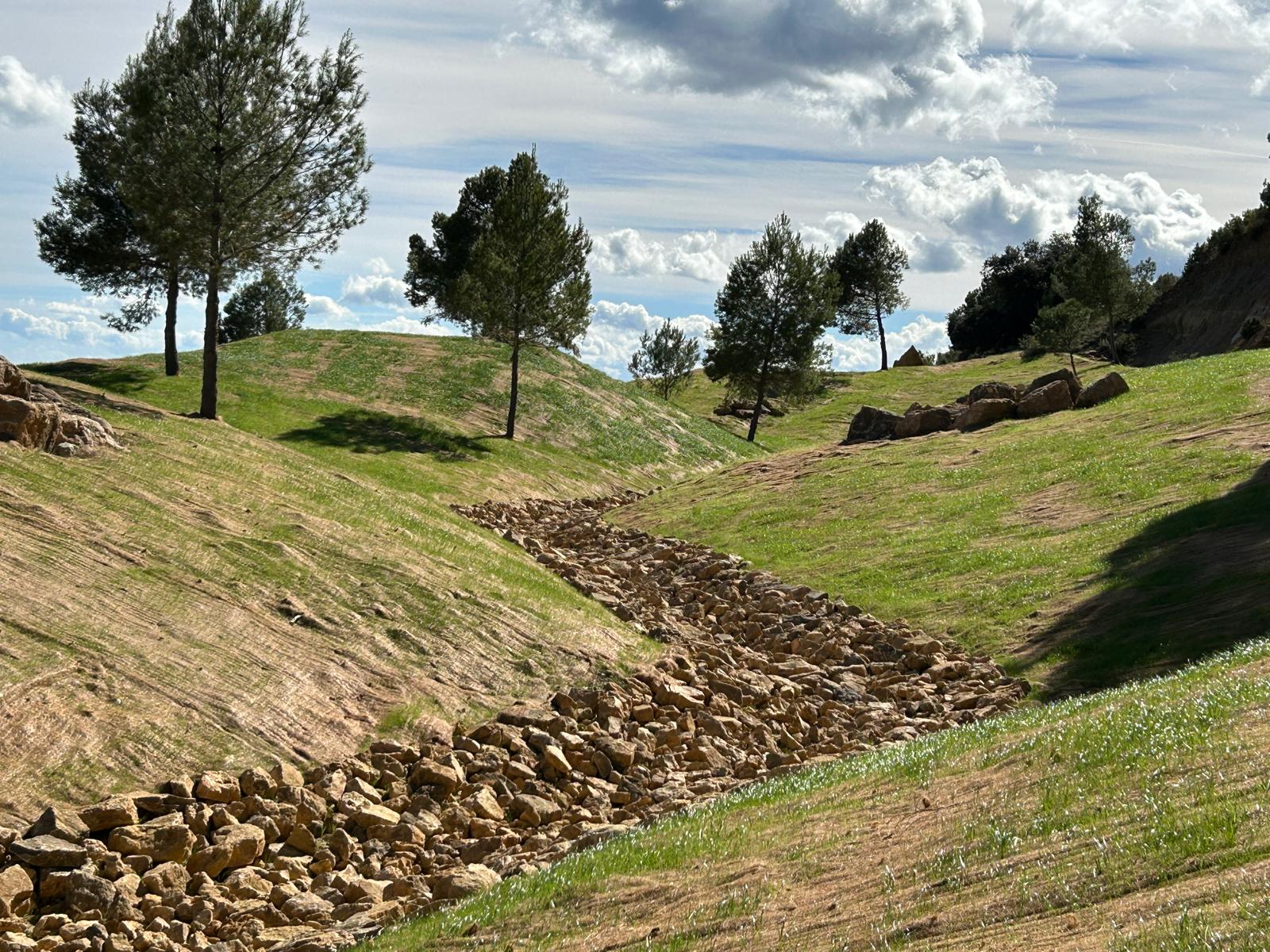
Geomorphic restoration in Valencia (Spain). Design and construction monitoring – Restauración geomorfológica. Construction – ReVI Reforestaciones y Viveros, S.L. Photo by: Restauración Geomorfológica.

We design cliffs

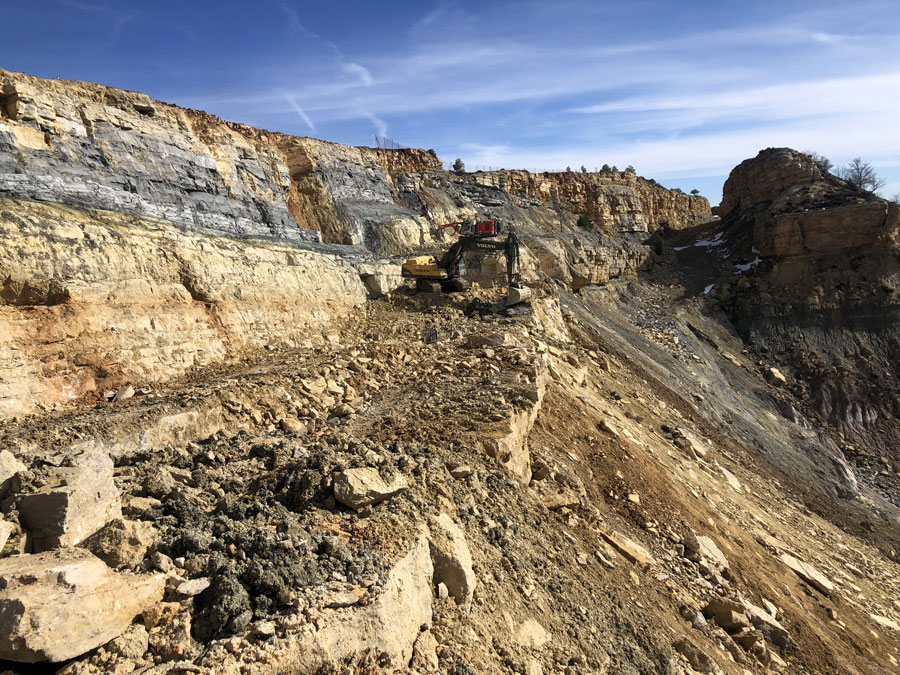
Construction of a slope that replicates the wall of a river canyon in the Upper Tagus (Peñalén, Guadalajara), composed of a cliff in its upper half and a scree slope (or boulder field) in its lower half. Application of the Royal Slope method at the abandoned Santa Engracia mine, LIFE RIBERMINE project. Photo by: Restauración Geomorfológica

Mission and Vision

Mission

Contributing to connecting the new landscapes created by the human activities that move earth (mining, civil works, urban developments…) with the surrounding terrain and drainage pattern, by means of geomorphic landform design. With that, we lay the foundations for creating functional, healthy and diverse ecosystems, stable against erosion; therefore, not requiring ongoing and perpetual maintenance for this cause. Also, maximizing their visual blending with the environment, and creating the conditions for their use, enjoyment and benefit of current and future generations.

Vision

Being the leading platform, at a global scale, for collaboration, training, research, publication, transference and promotion of geomorphic landform design and its implementation

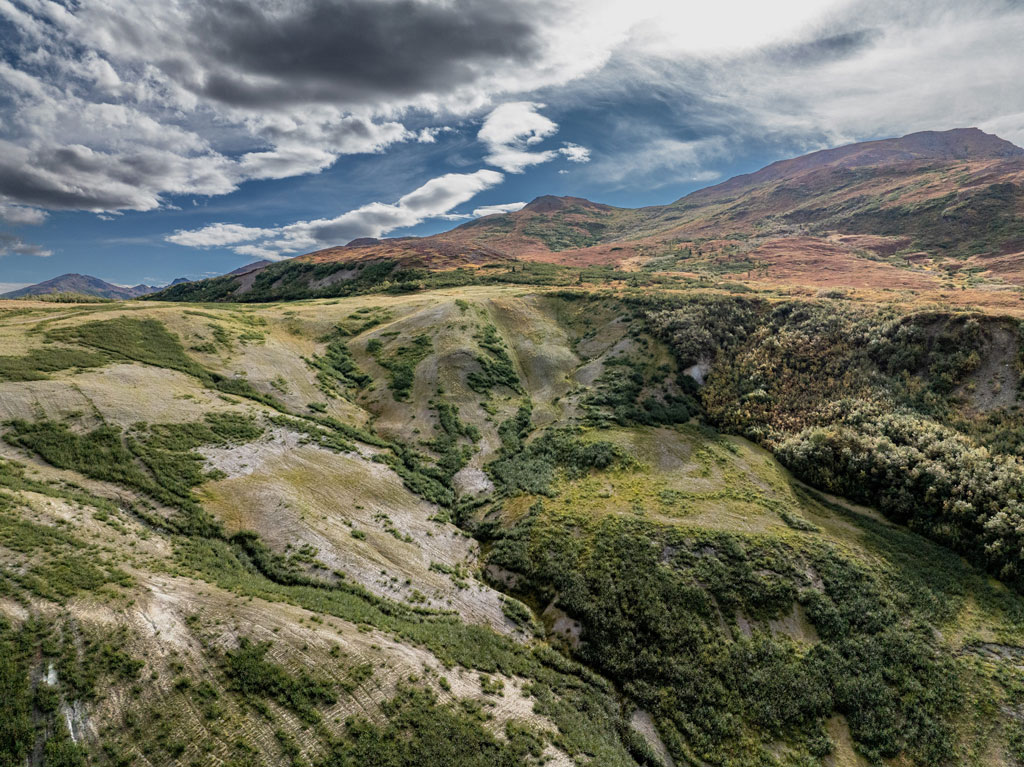
The lower half of this image, with green shades, shows the ecological recovery, on the basis of a geomorphic landform design, of an abandoned coal mine in Alaska. Photo by: Restauración Geomorfológica - VAST

What is Restauración Geomorfológica?
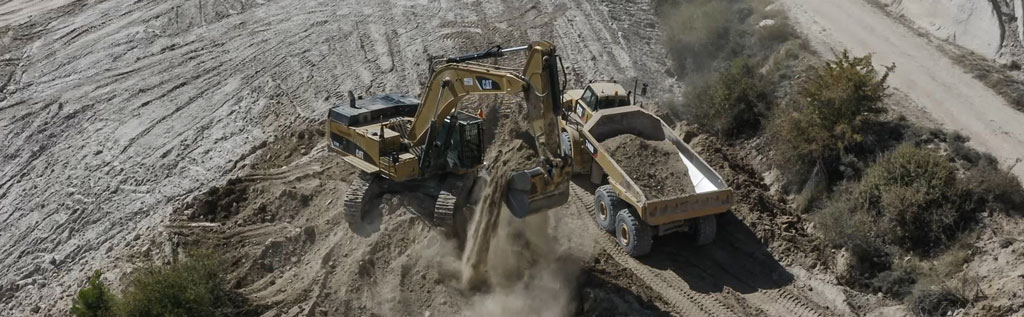
LIFE RIBERMINE Project (Peñalén, Guadalajara). Restauración Geomorfológica

It all began in La Revilla (Orejana, Segovia) in 1995

The Group Restauración Geomorfológica is an initiative created and directed by José F. Martín Duque, Professor of Geomorphology in the Faculty of Geological Sciences at the Universidad Complutense de Madrid (UCM). Since 1995, J.F. Martín, always in collaboration with other people, has been leading projects for the geomorphic reconstruction of lands transformed by earth movements (especially mining). The birth of the Group Restauración Geomorfológica at that time can be traced back to the restoration of La Revilla quarry (Orejana, Segovia), using geomorphic principles. Following a brilliant idea by Javier de Pedraza, this restoration concept started pioneering in an international context. Then, in 2009, we came into contact with Nicholas Bugosh and the GeoFluv – Natural Regrade method, which we have used extensively since then.
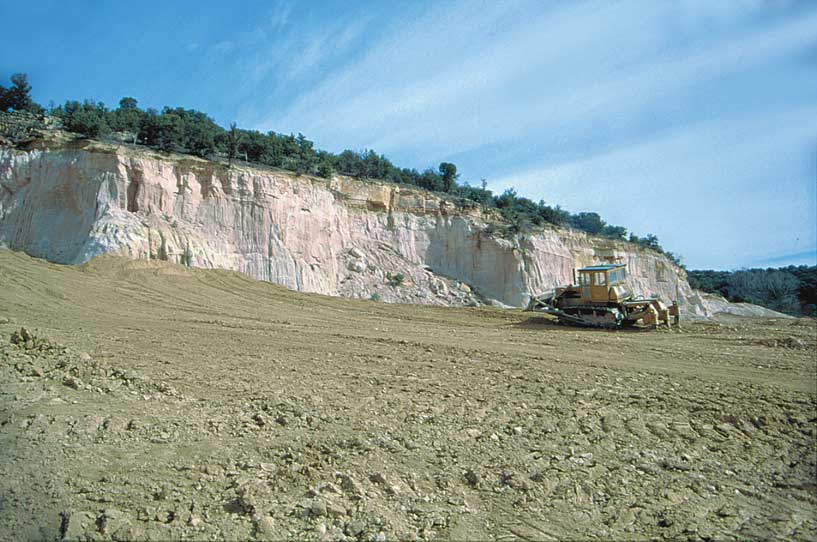
La Revilla (Orejana, Segovia). Restauración Geomorfológica

The Group Restauración Geomorfológica is made of two subgroups, or action structures. On one hand, Restauración Geomorfológica is an academic group at the UCM, dedicated to research and training, as well as a platform for dissemination, university teaching, continuing training and the transfer and exchange of experiences on “another way of earth moving” (RESTAURACIÓN GEOMORFOLÓGICA | Oficina de Transferencia de Conocimiento).

On the other hand, RestauraGeo is an environmental consultancy dedicated to providing geomorphological solutions to complex environmental problems. RestauraGeo brings together a whole range of services related to the design, training, implementation and on-site monitoring of geomorphic restoration.

What is the Geomorphic Restoration approach (GR)?
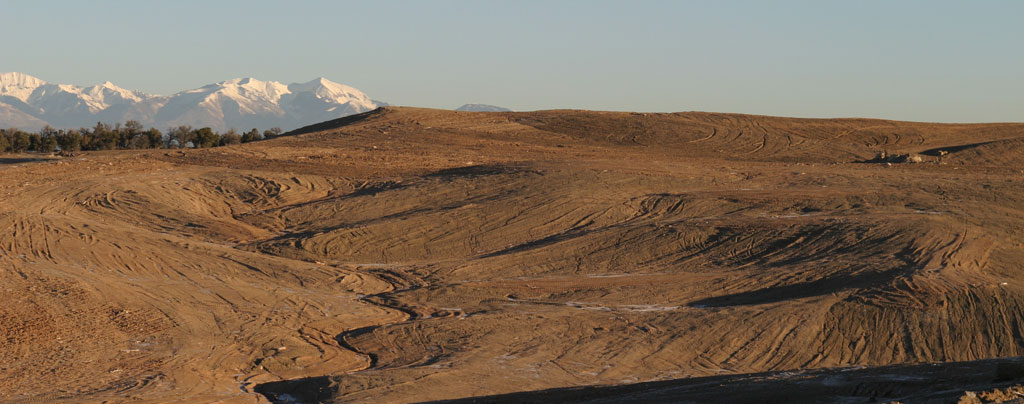
La Plata mine (New Mexico, United States). Edward Epp

There is no formal definition of Geomorphic Restoration (GR). A simplified attempt would be as follows: the process of designing and reconstructing landforms and substrates which replicate the morphology and dynamics of natural landscapes, with the aim of maximizing their geomorphic stability and visual and ecological integration, where the terrain has been transformed by human activities that impacted surface formations and functions.

This paper (Martín Duque, 2024) considers the international “state of the art” on Geomorphic Restoration as of 2024, the year in which this website is relaunched.

This website benchmarking the result of 30 years of experience of land restoration group work, 15 of them achieved using GeoFluv – Natural Regrade and five using the Talus Royal method, aims to lay the foundations to contribute to the future development of this discipline.

Philosophy
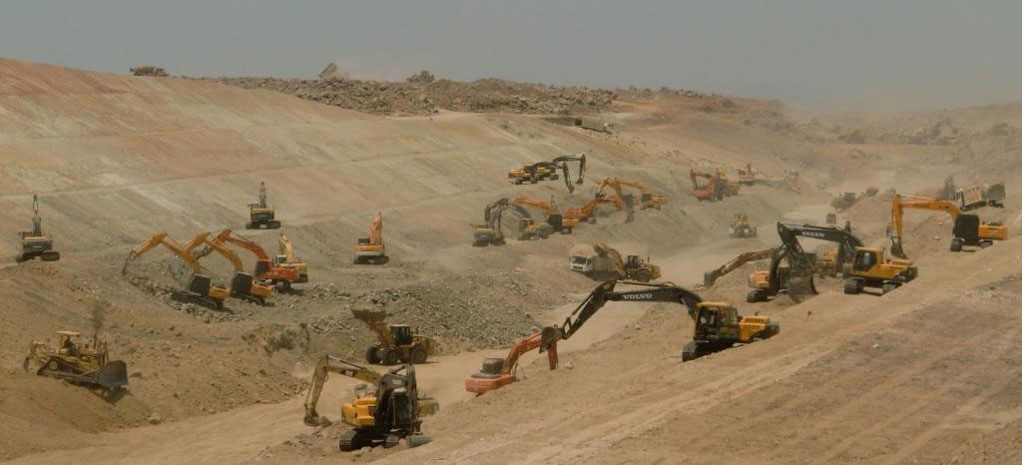
Humans have always made earthworks. Prior to 1945, earthworks were limited in scale, due to a lack of technology. Since then, the human capacity to move earth has increased dramatically through the efficient use of explosives and large machinery. The current worldwide scale of activities such as mining and linear infrastructure construction is enormous. However, the way humans move earth and the topographical configurations resulting from excavation and stockpiling, have hardly changed. Design criteria remain homogenous, with constant slope gradients and staggered topographies, applied to heterogeneous and diverse geologic, ecologic and climatic contexts. As a result, planar roadcuts, embankments, waste dumps, landfills, etc., are created with standard criteria, vulnerable to water erosion and certain mass movements, and have a very limited ecological and visual integration into the environment. And if there are failures, they are remedied with gunite, concrete downdrains, bolts, dikes, meshes, etc., which are even less environmentally integrated.

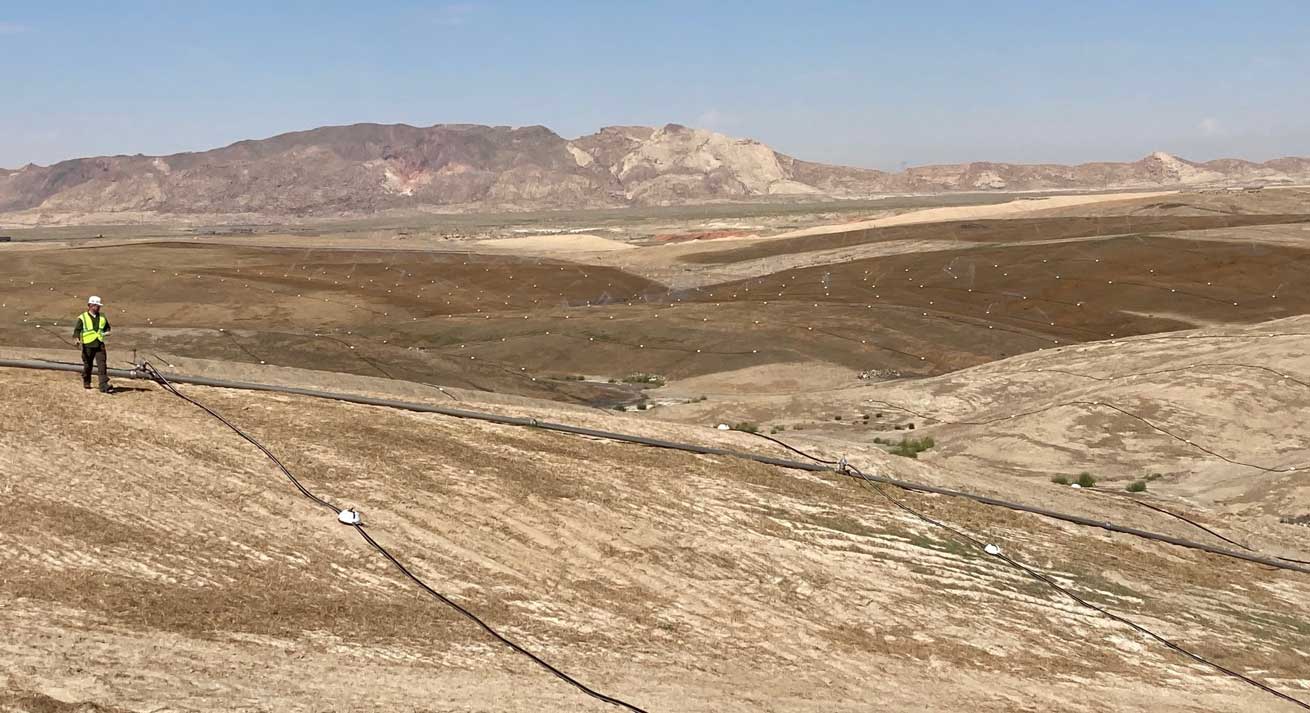
Haramain Project (Saudi Arabia)

All these earthworks generate a very significant environmental impact, the most important of which is the effect on their fluvial ecosystems due to the deposition of sediments and pollutants (in the case of metallic mining).
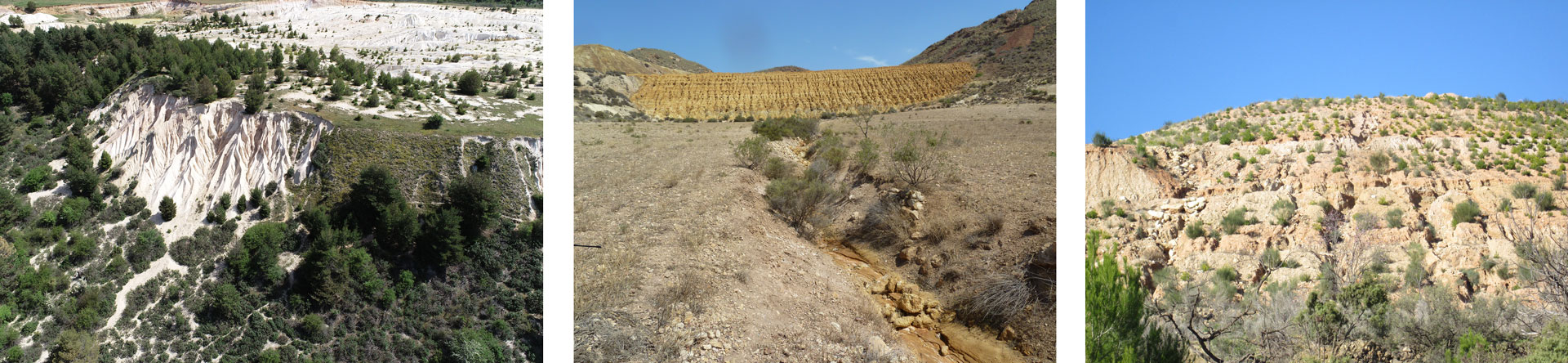
One of the main difficulties of conventional mining rehabilitation is its high vulnerability to water erosion and the yield of sediments into the environment, often generating physical and/or chemical contamination. Geomorphic restoration helps to solve this problem, creating more mature and erosion-resistant landscapes.

From Restauración Geomorfológica we want to promote a real paradigm shift in the way we move land, so that, through excavations and dump, more harmonious and stable landscapes are created, which do not experience accelerated erosion. This is part of a pressing need, rather than a fad or trend, and is rooted in the concepts of the Circular Economy, or Nature Based Solutions (NbS). In this way, the wastes and excavation scars of today become the roots of tomorrow’s functional landscapes.
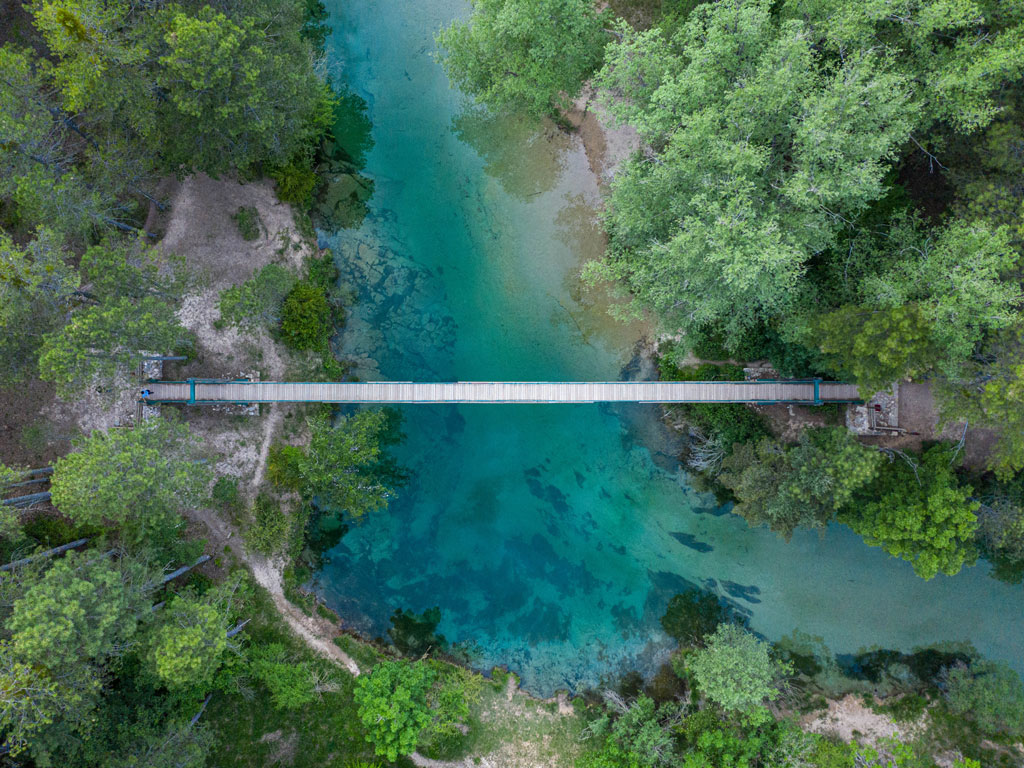
Tagus River (Poveda de la Sierra, Guadalajara). Miguel Ángel Langa – Fotolanga.e